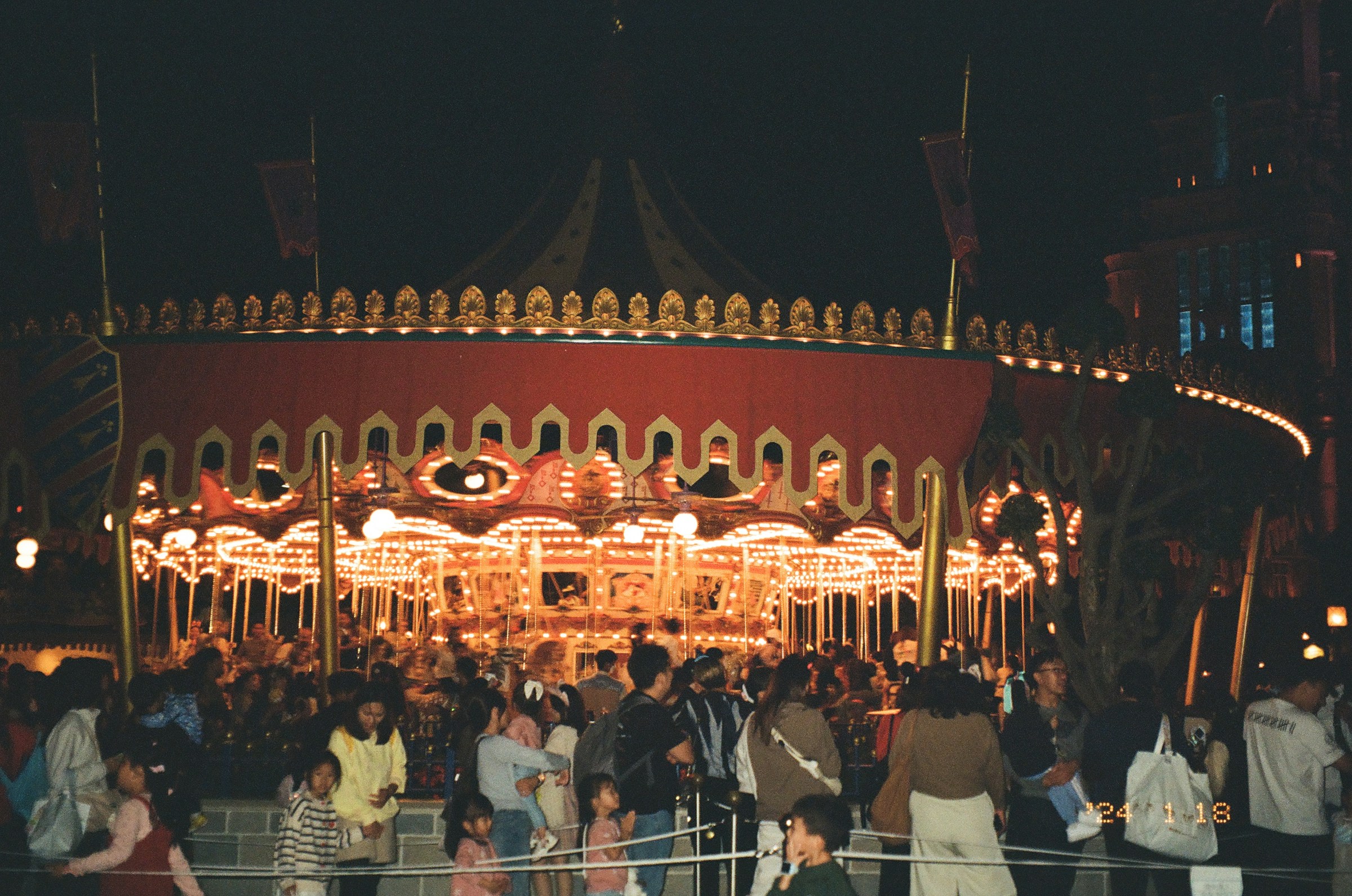
A simple observation: big theme parks already have cameras, data, staff, and systems, yet they still struggle with crowd chaos, long queues, unhappy visitors, and poor operational decisions. The problem is not lack of data the problem is lack of connected thinking.
Most people try to solve these issues separately. One model for crowds, another for pricing, another for staff planning. That approach looks good on paper but fails in reality. In real operations, everything is connected. Crowd size affects queues. Queues affect visitor mood. Visitor mood affects reviews and repeat visits. Crowd patterns affect how many staff are needed and when prices should go up or down.
This project is built on one belief:
If the problems are connected, the solution must be connected too.
What Trying to Build
A single intelligent system that watches how people move, predicts what will happen next, and helps managers take better decisions before problems get out of control.
This system does not try to replace humans. It supports them by answering simple but powerful questions:
- Where will crowds increase in the next 30 minutes?
- Which rides will cause frustration soon?
- Where do we need more staff, and where do we need less?
- When demand is high, are we charging correctly?
The Problems This Project Solves
First, crowd chaos. In busy hours, people gather suddenly in certain areas. This causes congestion, safety risks, and long waiting times. Usually, action is taken only after the problem becomes visible. This project focuses on predicting crowd build-up early so action can be taken in advance.
Second, long queues and poor visitor experience. Visitors don’t get frustrated randomly. They get frustrated when waiting time is high and movement becomes slow. Instead of waiting for surveys or complaints, this system uses queue and crowd patterns to estimate experience in real time.
Third, wasted CCTV data. Cameras are everywhere, but they are mostly used only to watch screens. This project treats cameras as sensors that tell us how many people are present, where they are staying longer, and how they are moving.
Fourth, staff misallocation. Often, some areas have too many staff doing nothing while other areas are overloaded. By predicting crowd flow, the system suggests where staff will be needed soon.
Fifth, static pricing. Ticket prices usually stay fixed even when demand changes sharply. This system connects demand patterns with simple pricing suggestions to avoid overcrowding and revenue loss.
How the Unified Solution Works
Everything starts with one intelligence flow.
Camera data helps count people and understand movement. That information is converted into simple numbers: how many people are in each zone, how fast the crowd is growing, and how long people are waiting.
Using this information and past patterns, the system predicts what will happen shortly — not days later, but in the next 30 minutes. These predictions then feed into simple decision logic
- If crowd is rising, send alerts
- If queues are growing, mark experience as poor
- If a zone is getting busy, recommend more staff
- If demand is very high, suggest price adjustment
All decisions come from the same core understanding of crowd behavior.
How This Project Is Implemented
The project uses public crowd video data and simulated operational data. This is realistic, because real company data is confidential. The focus is not on perfect accuracy but on clear logic and usable outputs.
The system is built step by step:
- First, define the problem clearly
- Then, prepare clean and structured data
- Then, extract crowd information
- Then, predict short-term behavior
- Finally, convert predictions into actions
At the end, everything is connected through a simple dashboard and API that shows how raw data becomes decisions.
Final Takeaway
This project is not about building five separate AI models.